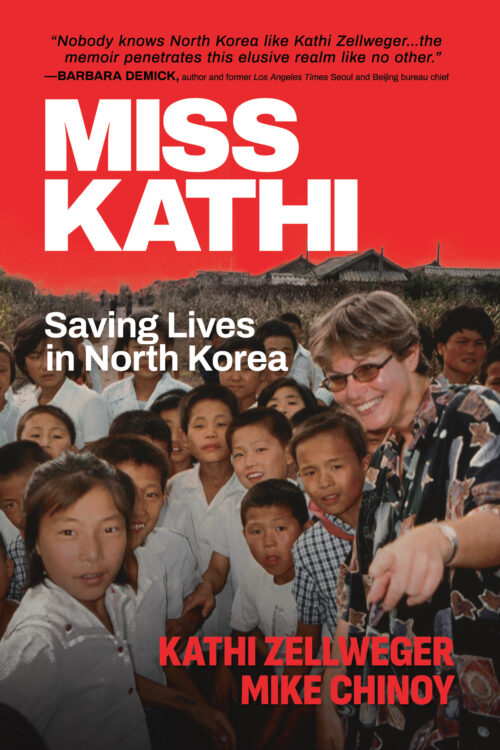
Miss Kathi: Saving Lives in North Korea
By Kathi Zellweger, Mike Chinoy
The remarkable story of Swiss aid worker Kathi Zellweger, whose history of engagement with a secretive, isolated North Korea over nearly three decades is unprecedented in its scope, access, and humanitarian impact.
One of the first book-length accounts in English by an aid worker operating on the ground in North Korea, Miss Kathi chronicles the story of a woman who has lived out her commitment to the poor and most vulnerable—undaunted by the tensions and threat of conflict perpetually looming over the Korean peninsula.
For many North Koreans, Kathi Zellweger—a native of Switzerland—was the first foreigner they had ever met or even seen. Playing a central role in the early years of international relief efforts in North Korea was a lonely job, as Kathi addressed the humanitarian needs of a suffering people largely ignored by the world because of their citizenship. She befriended local doctors, nurses, and caregivers; negotiated with suspicious government officials; overcame international doubts about the diversion of relief supplies to the military; and, over a period of years, spearheaded an effort that provided food, medicine, and development aid. Ultimately, her efforts saved the lives of thousands of people—most of them children.
As one official in Pyongyang emotionally declared to her during a visit in the late 1990s, even though she was in no way a missionary, “Miss Kathi—you are the Mother Teresa of North Korea!”